
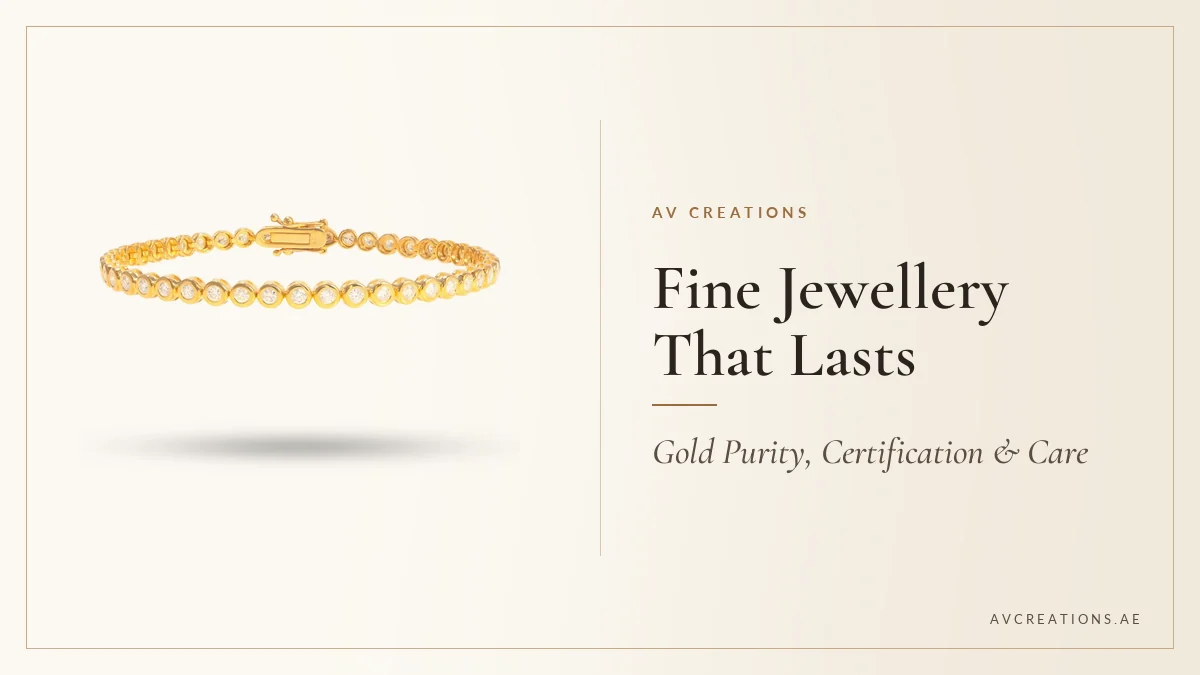
Fine jewellery is more than an accessory. It can represent a special occasion, celebrate a meaningful relationship or become a treasured family heirloom. However, choosing jewellery that retains its beauty over time requires more than finding an attractive design. Gold purity, diamond quality, craftsmanship and regular care all play an important role in its longevity.
Whether you are buying an engagement ring, a personalised pendant or a pair of diamond earrings, understanding these essentials helps you make an informed decision. For those exploring high quality customised jewellery in Dubai, knowing what to look for can make the experience more rewarding and help you choose a piece that suits your style, lifestyle and budget.
Understand Gold Purity Before You Buy
Gold purity indicates how much pure gold is present in a piece of jewellery. It is commonly expressed in karats, with 24K representing pure gold in the traditional fineness system.
Different gold purities offer different characteristics, making it important to choose according to the intended use.
- 24K gold: Contains approximately 99.9% gold and has a rich yellow colour. It is relatively soft and is generally less suitable for jewellery that receives frequent knocks or wear.
- 22K gold: Contains approximately 91.7% gold. It is popular in traditional jewellery but may not be ideal for every intricate setting.
- 18K gold: Contains 75% gold, with the remainder consisting of other metals. It offers a balance of gold content, durability and design flexibility.
- 14K gold: Contains approximately 58.5% gold and is often chosen for jewellery designed for regular wear.
For an engagement ring or everyday necklace, 18K gold may be a suitable option, depending on the design and lifestyle. When considering high quality bespoke ring designs, ask your jeweller about the metal purity, alloy composition and suitability of the setting for the selected gemstones.
Choose the Right Gold Colour for Your Style
Gold jewellery is available in several colours, each offering a distinctive appearance.
Yellow gold provides a classic, warm finish that works beautifully with traditional and contemporary designs.
White gold offers a cool, modern appearance and is frequently used in diamond jewellery. It may have a rhodium coating that requires maintenance over time.
Rose gold has a soft pink hue created by its alloy composition, making it a popular choice for romantic and modern designs.
The colour you choose should complement your personal style and the overall design of the jewellery. Also consider whether the piece will be worn daily or reserved for special occasions.
Why Diamond Certification Matters
When purchasing diamond jewellery, certification or an independent grading report can provide useful information about the stone’s characteristics. Reputable gemmological laboratories assess diamonds using recognised grading methods.
The four Cs are essential when comparing diamonds:
- Cut: Influences how effectively the diamond reflects light.
- Colour: Describes the diamond’s position on the relevant colour-grading scale.
- Clarity: Assesses internal inclusions and surface blemishes.
- Carat: Measures the diamond’s weight, not its overall quality.
A grading report helps you compare stones based on their documented characteristics. Before purchasing, check that the report corresponds to the diamond being offered and identifies whether the stone is natural or lab-grown.
If you are considering a custom made diamond ring, discuss the diamond’s grading report, setting requirements and overall design with your jeweller. Certification supports an informed purchase, but it does not guarantee future resale value.
Pay Attention to Craftsmanship and Setting Quality
Even high-quality gold and diamonds need proper craftsmanship to create jewellery that lasts. A well-designed piece should balance appearance, comfort and structural strength.
Inspect the setting to ensure that the gemstone is held securely. Prongs should be properly finished, edges should feel comfortable against the skin, and clasps or closures should function smoothly.
For diamond rings, the setting should suit the stone’s shape and the wearer’s daily activities. Bezel settings can provide additional protection around a diamond’s edges, while prong settings allow more light to reach the stone but may require regular inspection.
When shopping for best custom diamond earrings, pay attention to the security of the stone settings, the quality of the earring backs and the comfort of the design.
Custom Jewellery: Quality Starts with the Design
Custom jewellery allows you to select materials, proportions, gemstones and design details according to your preferences. However, a beautiful design should also be practical enough for its intended use.
For example, a delicate pendant may require a carefully selected chain, while a diamond ring intended for everyday wear should have a setting appropriate for regular activity.
For customers exploring affordable custom made jewellery in Dubai, request a detailed quotation covering metal purity, weight, gemstone specifications, manufacturing and finishing. Comparing these details is more useful than judging a piece by price alone.
AV Creations offers custom jewellery design and manufacturing services, including diamond sourcing, 18K gold manufacturing and CAD design with a 3D preview before production. Reviewing the proposed design before manufacturing helps clarify dimensions and design details.
Simple Jewellery Care Habits That Make a Difference
Regular care helps preserve jewellery’s appearance and allows potential issues to be identified early.
- Clean gently: Use lukewarm water, mild soap and a soft brush when appropriate for the jewellery. Avoid harsh chemicals and abrasive materials.
- Store separately: Keep pieces in individual soft pouches or compartments to reduce scratches and tangling.
- Remove jewellery when necessary: Take off delicate pieces before strenuous exercise, gardening, swimming or activities that could cause damage.
- Avoid chemical exposure: Perfume, household cleaners and some cosmetic products can affect certain metals, coatings and gemstones.
- Arrange regular inspections: Have prongs, clasps and settings checked by a qualified jeweller, particularly for frequently worn pieces.
Some gemstones require specialised care, so always follow advice appropriate to the specific stone and setting. Ultrasonic cleaners should not be used indiscriminately, as they can damage certain gems or loosen settings.
Store and Maintain Jewellery for Long-Term Enjoyment
Proper storage is just as important as cleaning. Diamonds can scratch other jewellery, while chains can become tangled and delicate settings may be damaged by pressure.
Keep jewellery away from excessive heat, moisture and direct contact with chemicals. If a piece becomes loose, damaged or unusually discoloured, seek professional advice rather than attempting a repair at home.
White gold may need periodic replating, and frequently worn rings may require occasional professional cleaning or setting checks. With suitable maintenance, fine jewellery can remain beautiful and wearable for many years.
Conclusion
Fine jewellery combines precious materials, design and craftsmanship. Understanding gold purity, checking diamond grading reports, assessing setting quality and following appropriate care practices can help you make better purchasing decisions.
Whether you prefer a timeless gold necklace, diamond earrings or a personalised engagement ring, focus on quality, suitability and transparent product information rather than appearance alone.
Explore custom jewellery possibilities with AV Creations and discover designs created around your preferences, with attention to materials, visual details and craftsmanship.
FAQs
Which gold purity is best for everyday jewellery?
18K and 14K gold are often suitable for everyday jewellery because their alloy compositions generally make them harder than higher-purity gold. The best option depends on the design, lifestyle, budget and individual preferences.
How can I check whether a diamond is certified?
Ask for the diamond’s grading report from a recognised gemmological laboratory. Check the report number and confirm that the documented characteristics correspond to the stone. Certification and grading reports provide information about a diamond but do not guarantee resale value.
How often should fine jewellery be professionally inspected?
Frequently worn rings and pieces with gemstone settings should be inspected periodically, often every six to twelve months depending on wear and the jeweller’s advice. Have jewellery checked sooner if a stone feels loose or a clasp or setting appears damaged.
How should I clean gold and diamond jewellery at home?
For suitable pieces, use lukewarm water, mild soap and a soft brush, then rinse carefully and dry with a soft, lint-free cloth. Avoid harsh chemicals and consult a jeweller before cleaning jewellery containing delicate gemstones, glued components or vulnerable settings.
Where can I find high quality customised jewellery in Dubai?
Look for a jeweller that provides clear metal and gemstone specifications, transparent quotations and professional design support. AV Creations offers custom jewellery design and manufacturing services, including diamond sourcing, 18K gold manufacturing and CAD-based 3D previews. Contact the team to confirm available designs and materials.